
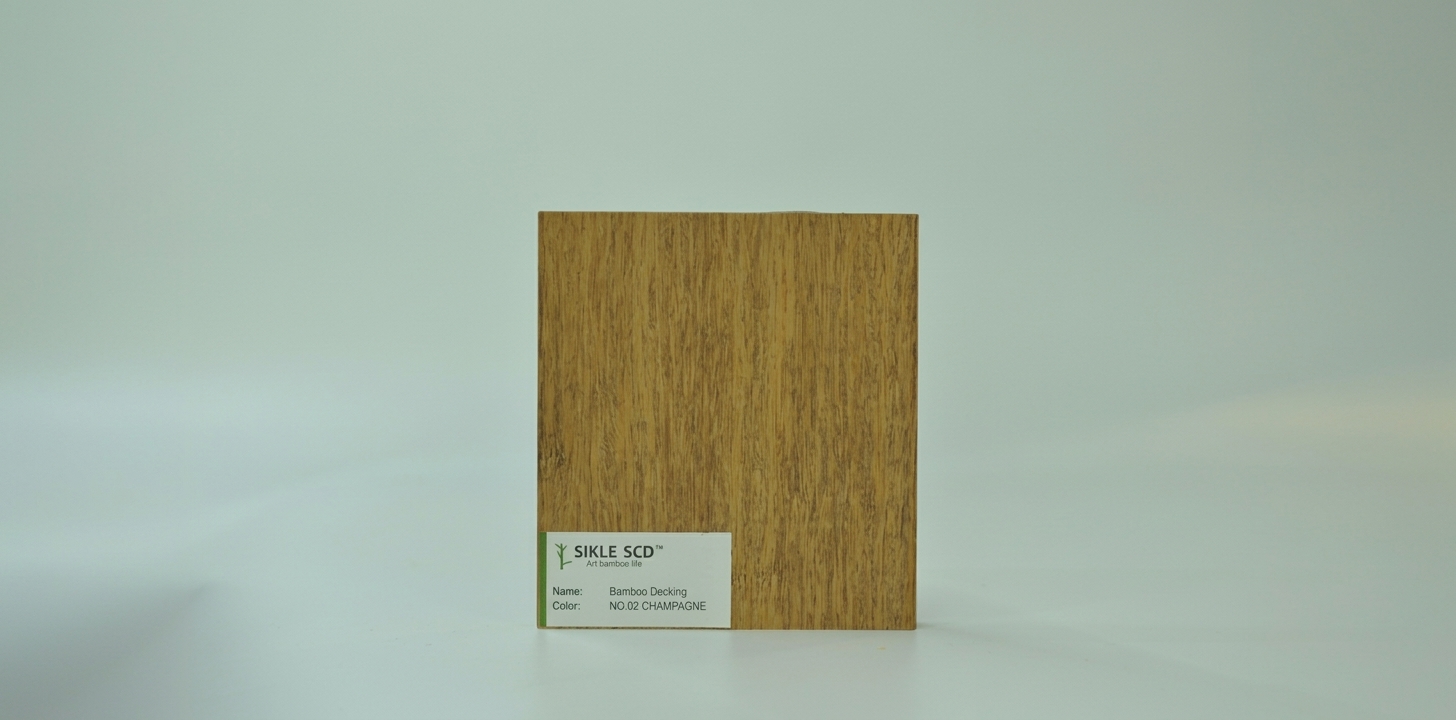
The development of surface coating technology has also played a key role. The multi-layer UV curing system used in the factory area provides a high-strength protective layer on the floor surface, which can effectively resist small scratches in daily life, such as children's toy friction, pet paw prints, furniture foot movement, etc. With the maturity of environmentally friendly water-based paint and wear-resistant coating technology, the wear resistance of bamboo and wood flooring has reached a new level, maintaining clear texture and stable luster even after long-term trampling.
Durability depends not only on experimental data, but also on practical use cases. Bamboo and wood flooring has achieved stable installation for many years in high-frequency areas such as food stores, office spaces, and public corridors. In engineering cases, customers generally provide feedback that the floor is not prone to warping, deformation, and has fewer obvious scratches on the surface. This stable performance is inseparable from the high strength of bamboo itself and the rigorous production process of the factory.
Engineering clients usually have strict requirements for the service life of materials, especially for commercial projects with high foot traffic, which are extremely sensitive to the wear resistance and maintenance costs of flooring. Bamboo and wood flooring, with its comprehensive advantages of high density and stability, has become the preferred solution for many design and construction units.
Durability does not mean that it can be completely without maintenance. Proper daily use and simple maintenance habits can significantly extend the service life of bamboo and wood flooring.
Speak with our structural engineers about high-rise, commercial, or handcrafted wood needs.
Strategic Material Planning
 EN